What to Expect From Veterinary Surgery Services
Veterinary surgery services play a crucial role in modern animal healthcare, offering both routine and emergency surgical procedures for pets. This article aims to provide a comprehensive overview of these services, shedding light on what pet owners can expect. From understanding the necessity of surgery to preparing for the process and managing post-operative care, this guide covers a broad spectrum of topics essential for every pet owner.
Often, the decision to proceed with surgery can be daunting for pet owners who are unfamiliar with the procedures and potential outcomes. Through this article, we hope to demystify the process and provide insights into how veterinary surgery supports the health and welfare of pets. Understanding the ins and outs of veterinary surgery not only helps in making informed decisions but also ensures that pet owners are well-prepared for every stage of the surgical process.
Throughout this article, we will delve deeper into specific aspects of veterinary surgery services. This includes the reasons why surgery may be necessary, how to prepare a pet for surgery, and what to expect during the recovery period. By integrating the latest veterinary advancements and success stories, we aim to provide a detailed resource that is both informative and reassuring for pet owners.
Why is Veterinary Surgery Necessary?
Understanding the Causes and Conditions
Surgery can be required for several reasons, including injuries, medical conditions, and preventative care. Common conditions that may necessitate surgical intervention include tumors, fractures, and internal organ issues. In addition, congenital defects or abnormalities detected in animals may require surgical correction to improve their quality of life. It’s important to recognize that not all surgeries are reactive; some are preventative measures designed to avoid future health problems. Understanding these causes helps pet owners appreciate the critical role surgery plays in veterinary medicine.
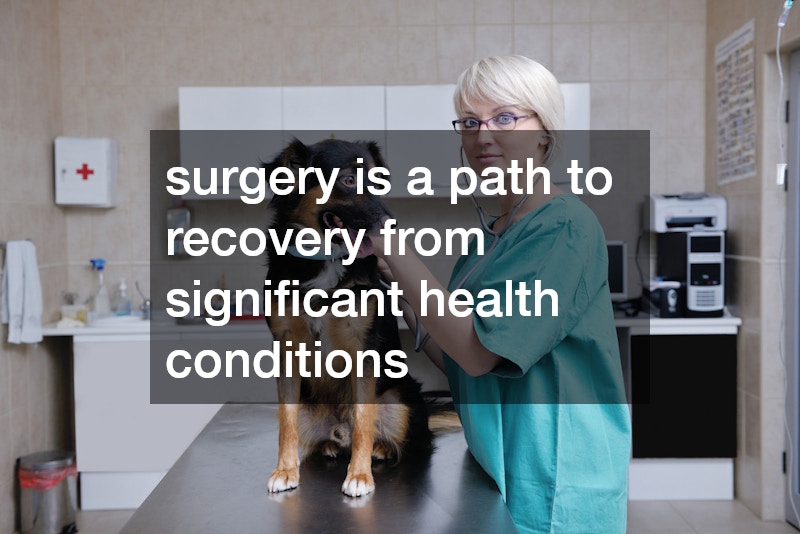
For many animals, surgery is a path to recovery from significant health conditions. Veterinary surgeons often face complex cases such as orthopedic injuries, which are common among active pets. The interventions provided through surgery allow pets to regain mobility and return to their normal routines. It is through these successful outcomes that the necessity and value of surgical procedures become evident. Veterinarians are trained to identify when surgery is the most appropriate action and will often explore other treatments before recommending this option.
Advanced technologies have transformed veterinary surgical procedures, making them more precise and effective. Techniques such as laparoscopic surgery or laser surgery offer minimally invasive options with shorter recovery times. The choice of surgical method depends on the condition and overall health of the pet. By staying informed about these advancements, pet owners can better understand the surgery recommended for their pets. Innovative developments in veterinary surgery continue to enhance the recovery and well-being of animals.
How to Prepare Your Pet for Surgery?
Pre-Surgery Checklist for Pet Owners
Preparing a pet for surgery requires careful attention to specific guidelines provided by the veterinary team. It is crucial to follow a checklist to ensure that the pet is physically and emotionally ready for the procedure. This preparation typically involves dietary adjustments, cessation of certain medications, and managing the pet’s environment to reduce stress levels. Regular communication with the veterinary office leading up to the surgery date will help identify any additional requirements. Ensuring that the pet is in optimal health before surgery can significantly influence the procedure’s success and recovery rate.
Routine pre-surgical tests are usually performed to assess the pet’s overall health and identify potential risks. These tests can include blood work, X-rays, and other diagnostic measures to provide a comprehensive health status of the pet. By identifying underlying conditions that might affect surgery, veterinarians can tailor their surgical approach to minimize risks. Pet owners play an active role by observing their pet’s behavior and reporting any unusual symptoms prior to surgery. This collaborative effort between the veterinarian and the pet owner is fundamental in achieving a smooth surgical experience.
To reduce anxiety for both the pet and owner, familiarizing the pet with the veterinary clinic environment before surgery is advisable. Visits to the clinic for non-stressful procedures or simply to meet the staff can help the pet feel more comfortable in the setting. Additionally, ensuring that the pet has a comfortable and quiet recovery space at home is crucial. Providing familiar items like a favorite toy or blanket can further ease the post-operative transition. By preparing both the pet and the home environment, pet owners contribute to a more seamless recovery process.
What to Expect After Veterinary Surgery?
Post-Surgery Care and Recovery Tips
The period following veterinary surgery is critical for ensuring the successful recovery of the pet. Post-surgical care typically involves adhering to specific instructions provided by the veterinary team, focusing on wound care, medication administration, and rest. Pet owners are integral to the recovery process, providing the necessary support and environment for healing. Close observation and compliance with the provided guidelines can significantly influence the speed and quality of recovery. By remaining vigilant and proactive, pet owners facilitate the return of their pets to normal routines in a timely manner.
Essential care tips include managing the pet’s activity levels during recovery to prevent complications such as wound reopening or infections. It is common for pets to experience changes in appetite or behavior following surgery; however, persistent symptoms should be communicated to the veterinarian promptly. Providing a calm and reassuring presence is crucial in supporting the pet’s emotional recovery in the aftermath of surgery. Understanding the nuances of post-operative care enables pet owners to make informed decisions that promote comfort and well-being. Fostering a nurturing recovery environment contributes significantly to holistic pet rehabilitation.
Gradually reintroducing regular activities, as advised by the veterinarian, is important to prevent strain on healing tissues. Structured progress may involve controlled exercises, nutritional adjustments, and regular health assessments to monitor recovery. The careful balance between activity and rest ensures that healing is effective and sustainable, improving the long-term health prospects for pets. Scheduled veterinary check-ups play a pivotal role in assessing recovery trajectory and adjusting care instructions accordingly. Through attentive care and structured guidance, pet owners help pave the path for successful recovery outcomes.
Understanding the complexities of veterinary surgery services empowers pet owners to make informed decisions about their pet’s health. As discussed throughout this article, the necessity of surgery, preparation steps, and post-operative care are integral components of effective pet healthcare. Through a careful blend of veterinary expertise and active participation from pet owners, surgical interventions can lead to positive outcomes and enhanced quality of life for pets. Owners who are well-prepared and engage in continuous communication with their veterinarians ensure the success of surgical procedures and the overall well-being of their pets. Embracing an educated and proactive approach toward veterinary surgery services aligns with the commitment to provide unparalleled care and companionship to beloved animal family members.