Things You Might not Know About Home Care
Home care is a vital service that supports individuals in their homes, helping them maintain independence and receive necessary care without having to move to a healthcare facility. Despite its growing importance, there are still many aspects of home care that are not widely known or understood.
This article aims to provide a comprehensive overview of home care, delving into the range of services it includes, who stands to benefit from it, and how to choose the right provider. By shedding light on these areas, we hope to enhance understanding and inspire confidence in selecting home care solutions that best meet individual needs. As we explore home care, it becomes clear that it is not only a service but a lifeline for many, underscoring the significance of informed choices in this arena.
What Services Are Included in Home Care?
Home care encompasses a wide range of services tailored to the needs of individuals. Medical services provided may include medication management, wound care, and physical therapy, all designed to support health maintenance within the comfort of one’s home. Additionally, personal care services such as bathing, dressing, and grooming assistance can significantly improve quality of life, particularly for individuals with mobility issues. Housekeeping services also play a crucial role, ensuring a clean and safe environment through tasks like cleaning, cooking, and laundry. These diverse offerings underscore the adaptability of home care to meet both health and daily living needs effectively.
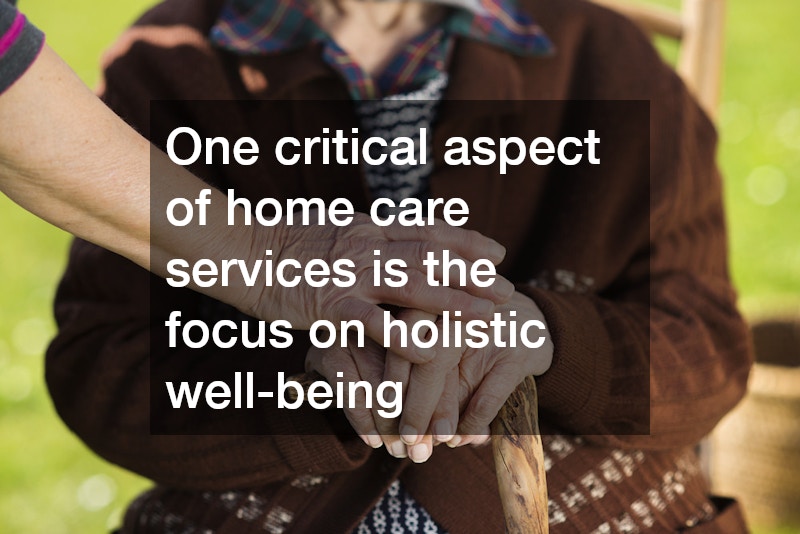
One critical aspect of home care services is the focus on holistic well-being, addressing not just physical health but also emotional and mental well-being. Caregivers often form bonds with clients, providing emotional support and reducing feelings of loneliness that might arise from living alone. Additionally, having personalized care plans developed in collaboration with healthcare professionals ensures that services are aligned with medical recommendations, enhancing overall health outcomes. This tailored approach fosters a sense of security and independence, vital for the client’s peace of mind. By offering a spectrum of services that adapt to individual needs, home care services enhance the quality of life for those opting to stay in their homes as they age or recover.
Who Can Benefit from Home Care?
While many associate home care primarily with elderly individuals, it can benefit a wide array of people, including those with chronic illnesses, disabilities, or those recovering from surgery. For the elderly, home care can delay the need for nursing home care by providing necessary assistance in daily activities. Chronic illness patients benefit from regular medical monitoring and management, which can be effectively administered at home without disrupting their daily lives. Those with disabilities find adaptive support in home care, helping bridge accessibility challenges within their environment. Furthermore, post-surgical patients receive professional medical attention to ensure a smoother recovery process, highlighting the diverse nature of home care recipients.
Individuals with mental health conditions also find benefits in home care settings, where compassionate caregivers support mental wellness alongside physical health. Home care helps minimize the disruption to an individual’s routine, providing a stable and comforting presence that aids in managing mental health more effectively. Family caregivers can find respite in home care services, relieving some of the burdens associated with caring for loved ones and enabling a more balanced family dynamic. Awareness of who stands to benefit from home care allows for more informed decision-making, ensuring that individuals receive the most appropriate form of care for their circumstances. The inclusivity of home care underlines its importance as a resource for many individuals and families seeking specialized support.
How Do You Choose the Right Home Care Provider?
Selecting the right home care provider involves evaluating factors such as care services offered, qualifications of care professionals, and the provider’s reputation. It is essential to determine the specific services required, which can vary widely from medical care to companionship and beyond, in order to identify a provider that meets all needs. Inquiring about the credentials and experience of the caregivers can also provide assurance of the quality of care to be expected. Researching the provider’s standing, including reviews and references, offers insight into their reliability and customer satisfaction levels. Thoroughly understanding these factors is crucial, as they contribute to making an informed choice aimed at ensuring the welfare and comfort of the care recipient.
Home care offers invaluable support to individuals wishing to maintain their independence and receive care within their home. By understanding the services offered, identifying who can benefit, and choosing the right provider, more people can make informed decisions about utilizing home care effectively. As our population ages and healthcare needs continue to evolve, home care is poised to play an increasingly vital role in health management and quality of life. Recognizing the broad applicability of home care for different life stages and conditions opens avenues for more personalized, dignified, and respectful care. By investing time in choosing the right home care provider, families can ensure their loved ones receive compassionate, professional, and comprehensive care that enhances their well-being and sense of independence.