Home Health Care Is it Right for You?
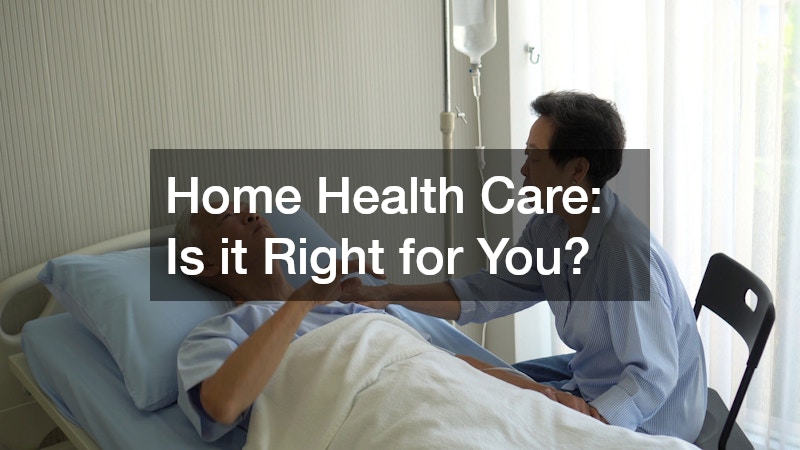
In recent years, home health care has emerged as a pivotal component of the healthcare system, offering medical services directly at home. This model is designed to provide comprehensive treatment while ensuring patients are comfortable, surrounded by familiar environments. Professionals such as registered nurses, therapists, and home health aides offer a wide range of services that cater to the unique needs of patients. The growing popularity of this service stems from its ability to blend medical care with daily living assistance.
Home health care is particularly beneficial for people recovering from surgery, suffering from chronic diseases, or requiring palliative care.
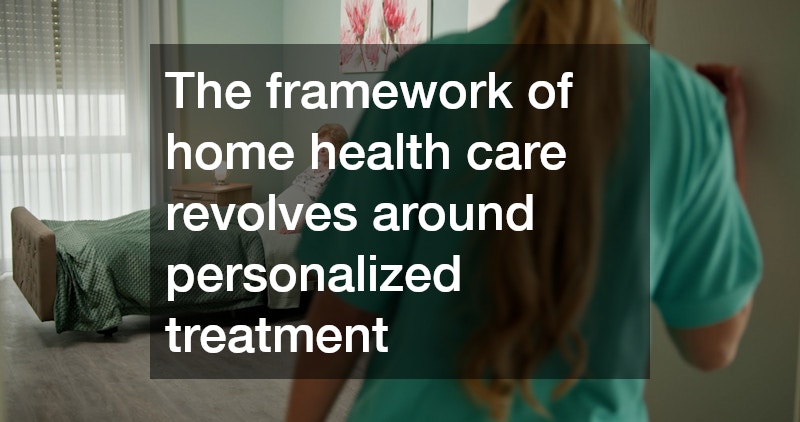
The framework of home health care revolves around personalized treatment plans tailored to each patient’s condition. Medical professionals assess the needs of the patient and devise a strategy that combines medical intervention with assistance in day-to-day activities. This holistic approach not only addresses physical health but also enhances mental well-being by reducing the stress of hospital environments. With the healthcare industry’s shift toward more patient-centered care, home health care is increasingly regarded as a viable alternative. Its flexibility and adaptability allow for seamless incorporation into a patient’s lifestyle.
Moreover, home health care can play a crucial role in preventing hospital readmissions by providing continuous care and monitoring. It helps in maintaining the continuity of care which is often disrupted during hospital readmissions. By avoiding frequent hospital visits, patients can focus on recovery without the added burden of travel and expenses. Additionally, families benefit knowing their loved ones are receiving professional care in a comfortable setting. This peace of mind is significant for both the patient and their family members, fostering a supportive and caring atmosphere.
Benefits and Challenges of Home Health Care
One of the primary advantages of home health care is its flexibility, accommodating the ever-changing needs and schedules of patients. Unlike traditional settings, patients can receive care in a time and manner that suits them best. This adaptability is especially crucial for those with fluctuating health conditions, ensuring they receive timely care. Another notable benefit is the personalized attention each patient receives within their own home. The familiarity and comfort of being at home can often speed up recovery and lead to better outcomes.
Despite its numerous advantages, home health care comes with its own set of challenges. Coordination and communication between caregivers and medical professionals can sometimes be complex, requiring meticulous planning and follow-up. Additionally, not all insurance plans cover home health care services, leading to financial strain on families. Furthermore, home environments may need modifications to accommodate medical equipment or create a safer space, which can be a logistical and financial challenge. It is crucial for families to conduct thorough research and planning to navigate these hurdles effectively.
Family dynamics can also be impacted when transitioning to home health care, as family members may need to take on more responsibilities. It is vital for caregivers and families to establish clear boundaries and understand their roles. Moreover, professional training of caregivers is essential to ensure high-quality care, enhancing the overall experience for the patient. Support networks and professional organizations can offer guidance and resources to families embarking on this journey. By addressing these challenges proactively, families can enhance the effectiveness of home health care for loved ones.
Determining if Home Health Care is Right for You
Deciding whether home health care is the right choice requires careful evaluation of several key factors. First, assess the medical requirements and needs of the patient to determine if they can be met outside a hospital setting. It is essential to consult with healthcare professionals who can provide insight into the feasibility and benefits of home health care. Consider the financial implications, including insurance coverage and potential out-of-pocket expenses, which can significantly impact your decision. It is also important to have open discussions with family members about their willingness and ability to participate in providing care.
Next, evaluate the readiness of the home environment to accommodate continuous medical care. This includes checking if the living space has room for medical equipment and if any modifications are required to ensure the patient’s safety. It may also be beneficial to prepare for emergencies by establishing clear communication channels with healthcare providers. Ultimately, the decision depends on the degree of commitment from both professional and family caregivers. An effective support system is essential for a seamless transition to home health care.
Finally, consider the emotional and psychological impacts on the patient and family. Home health care can offer more personalized experiences, but it may also lead to isolation compared to institutions where social interactions are more frequent. Ensuring regular social interaction and community engagement is crucial for maintaining mental health. Exploring local community resources for support and engagement can provide additional support. Weighing these considerations helps in making an informed decision that aligns with the health, financial, and emotional well-being of the patient and their family. By evaluating these aspects thoroughly, families can make a well-rounded decision about whether home health care is suitable for their needs.