Home Care Services What to Know
Home care services have become increasingly important as more people seek alternatives to hospital stays and nursing facilities for their loved ones. These services provide personalized care in the comfort of one’s home, allowing individuals to live more independently while receiving the necessary assistance.
The core element of home care is to cater to various needs, ranging from medical to personal and emotional support, to promote well-being and improve the quality of life for clients.
One of the primary benefits of home care services is the tailored approach to care delivery. Every individual has unique needs, and home care services can customize the care plan to address these specific requirements effectively. This personalized attention ensures that clients receive the exact support they need, whether it’s assistance with daily activities, medication management, or companionship.
Additionally, home care services enable individuals to maintain their routines and remain in familiar surroundings. This stability often leads to better health outcomes and emotional well-being compared to institutional care options. By allowing individuals to stay in their homes, home care services promote autonomy and a sense of control, which is vital for mental and emotional health.
Types of Home Care Services Available
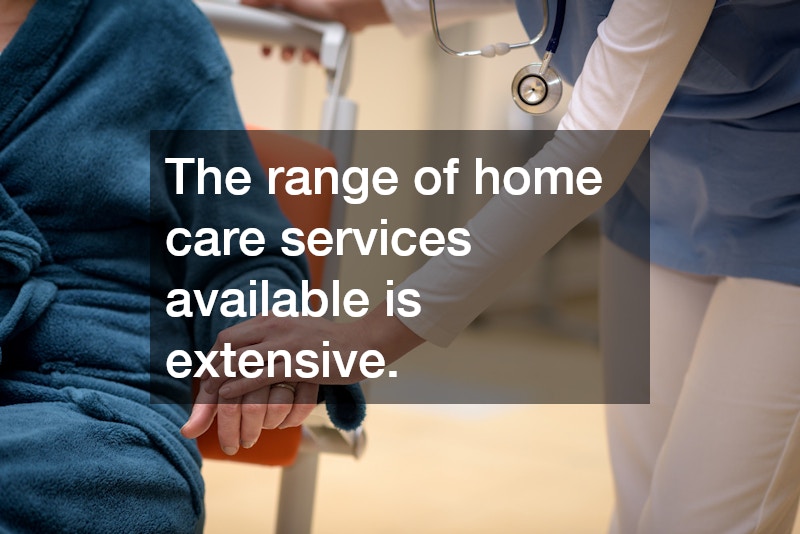
The range of home care services available is extensive. One common form is personal care, which includes support with daily living activities such as bathing, dressing, and meal preparation. These services are crucial for individuals who struggle with mobility but wish to maintain their independence as much as possible.
Another vital component of home care services is health care, which covers services provided by registered nurses and other healthcare professionals. This type of care includes administering medications, wound care, and monitoring of chronic conditions. Health care services at home can greatly reduce the need for frequent hospital visits, providing a more convenient and comfortable form of care.
Additionally, companionship and support services offer social interaction and emotional support. These services can help alleviate feelings of loneliness and isolation, contributing to a better quality of life. Companions can also assist with light housekeeping, errands, and provide transportation, making everyday life easier and more enjoyable.
The Importance of Choosing the Right Provider
Selecting the right home care service provider is crucial to receiving quality care. It’s essential to consider the provider’s reputation, experience, and the range of services they offer. Evaluating these factors can help ensure that the care meets the specific needs of your loved one while ensuring their safety and comfort.
Another important aspect is verifying the qualifications and background of the caregivers. High-quality providers employ skilled and compassionate caregivers who are trained to handle a variety of situations. Understanding the qualifications and training of the caregiving staff can give you confidence that your loved one is in capable and caring hands.
Communication is also a critical factor when choosing a home care service provider. A provider should be transparent and responsive, keeping families informed of the care plan and any changes that might arise. This partnership between provider and family ensures that all parties are aligned in the goal of delivering high-quality home care services.
Financial Considerations for Home Care Services
Paying for home care services is a significant concern for many families. These services can be expensive, depending on the level of care required and the duration of service. It’s essential to budget carefully and explore all available financial assistance options, including insurance coverage and government programs, to make home care more affordable.
Long-term care insurance policies often cover home care services, making them a feasible option for many families. It’s advisable to thoroughly understand any insurance policies to determine what is and isn’t covered. Taking the time to research and comprehend all financial aspects can relieve some of the stress associated with securing home care services.
Some state and federal programs provide support for home care services, especially for seniors and individuals with disabilities. Understanding these programs and how they can be accessed is vital for reducing the financial burden on families. Seeking guidance from a financial advisor or social worker can help navigate the complexities of funding home care services effectively.
The Future of Home Care Services
As demographics shift and populations age, the demand for home care services is expected to grow. Advancements in technology and healthcare continue to transform how these services are delivered, making them more efficient and effective. Home care providers are adopting innovative solutions, such as telehealth and remote monitoring, to enhance their service offerings.
Technology is also improving the training and support for caregivers, allowing them to deliver higher standards of care. These advancements are key to meeting the growing demand for home care services and ensuring that care is both personalized and professional. Enhanced communication tools can also help bridge the gap between caregivers and families, fostering a collaborative approach to care.
The future of home care services is promising, with a focus on personalization, accessibility, and innovation. As society continues to prioritize aging in place, home care services will play a pivotal role in supporting individuals to live fulfilling, independent lives. The commitment to providing care that aligns with individuals’ desires and needs underlines the significance of home care services in the modern caregiving landscape.