
Is It Anxiety or Something Else? How to Identify and Relieve Chest Tightness
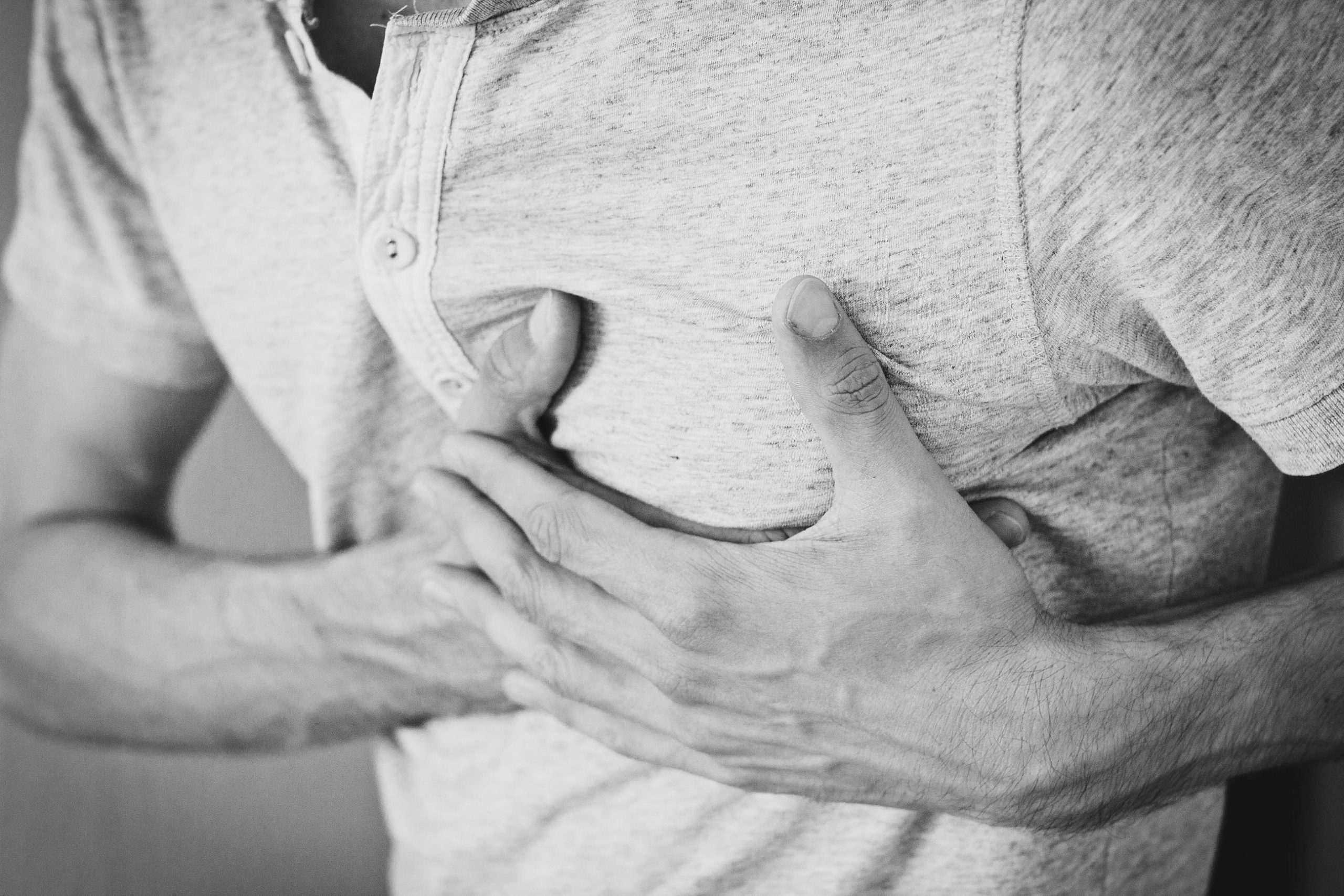
The sensation of chest tightness is one of the most frightening physical experiences a person can have. When your chest feels like it is being squeezed by a heavy weight, or when you feel a sharp, stabbing pain every time you take a breath, your mind immediately goes to the worst-case scenario. For many, the first thought is: “Am I having a heart attack?”
While chest tightness is a hallmark symptom of a heart emergency, it is also one of the most common physical symptoms of high-level anxiety and panic attacks. This creates a cruel “feedback loop.” You feel anxious, your chest gets tight, you worry about your heart, and that worry makes your chest feel even tighter.
In this comprehensive guide, we will break down the differences between anxiety-driven tension and other health concerns, explore why your body reacts this way, and provide actionable steps to find relief.
Understanding the “Why”: How Anxiety Attacks the Chest
To solve a problem, you first have to understand why it is happening. When you are stressed or anxious, your body enters a state known as the “Fight or Flight” response. This is an evolutionary survival mechanism designed to help you run away from a predator or fight off a threat.
Even though there is no physical “lion” in the room, your brain sends a signal to your adrenal glands to release a flood of hormones, including adrenaline and cortisol. These hormones cause several rapid changes in your body:
- Muscle Contraction: Your muscles tense up to protect your vital organs and prepare for impact. The intercostal muscles (the small muscles between your ribs) and the pectoral muscles in your chest are often the first to tighten.
- Hyperventilation: You begin to take short, shallow breaths. This is your body trying to get more oxygen to your muscles, but it actually leads to an imbalance of oxygen and carbon dioxide in your blood, which makes your chest feel constricted.
- Increased Heart Rate: Your heart pumps faster to move blood to your limbs. This rapid pounding can feel like pressure or “fullness” in the chest cavity.
Anxiety vs. Heart Attack: How to Tell the Difference
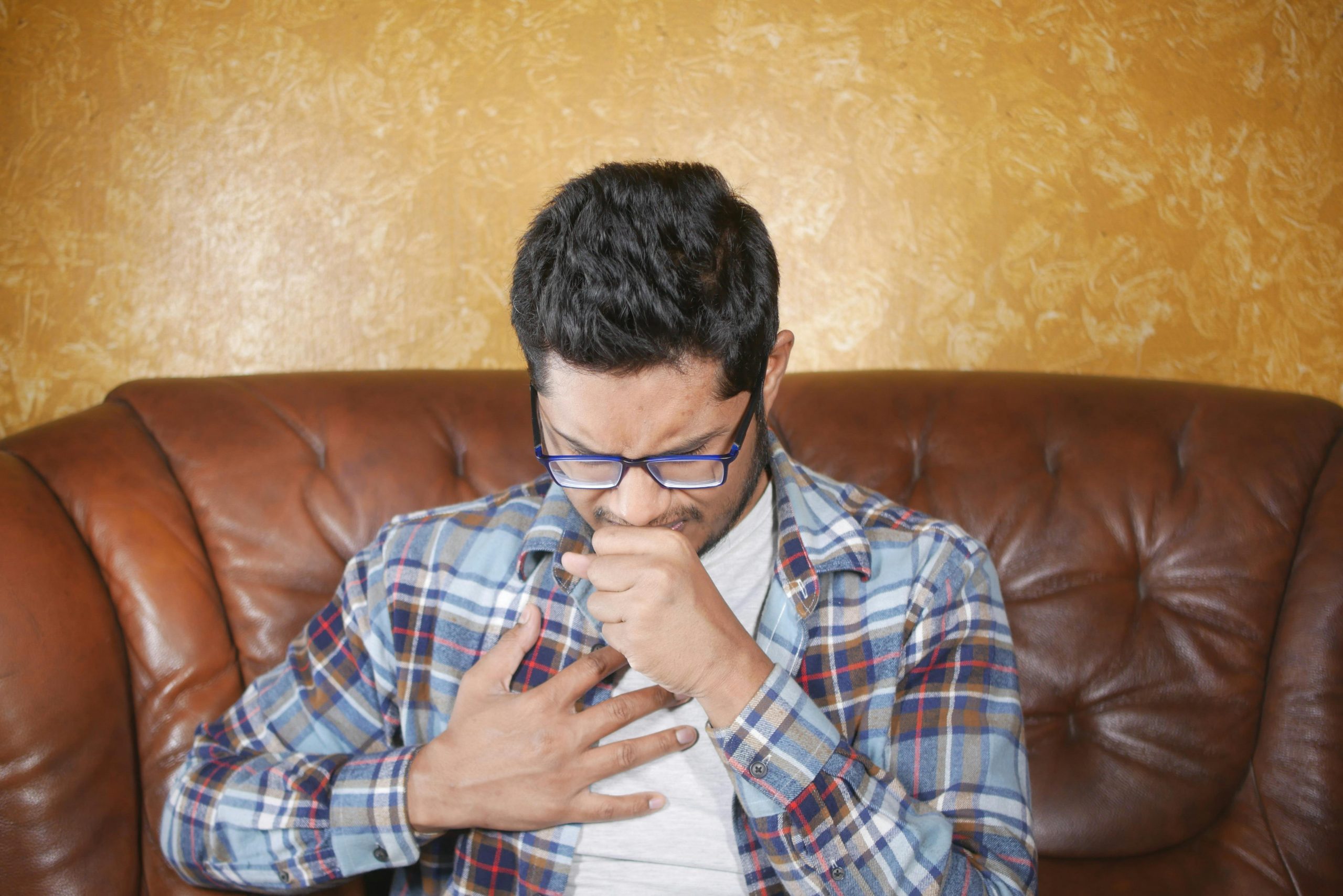
Distinguishing between a panic attack and a cardiac event is the most important step for your peace of mind. While only a doctor can give you a definitive diagnosis, there are specific “clues” in how the pain behaves.
Characteristics of Anxiety-Related Chest Tightness
- Location: The pain is often localized to one specific spot or feels like a general “tightness” across the whole chest.
- Duration: It may pass in 10 to 20 minutes as the panic attack peaks and subsides, or it may linger as a dull ache for hours if you are in a state of chronic stress.
- Quality of Pain: It is often described as a sharp, stabbing sensation or a “twitch” in the muscle.
- Triggers: It usually happens during a period of high stress or follows a sudden intrusive thought.
- Improvement with Breathing: If the tightness begins to fade when you focus on slow, deep belly breathing, it is likely anxiety-related.
Characteristics of a Heart Attack
- Radiating Pain: The pain often travels. It may move into your left arm, your neck, your jaw, or even your back.
- Pressure Type: People often describe heart attack pain as an “elephant sitting on my chest” or a crushing squeezing sensation rather than a sharp poke.
- Physical Strain: Heart-related pain often gets worse with physical exertion (like walking up stairs) and better with rest. Anxiety pain can happen even while you are sitting perfectly still on the couch.
- Associated Symptoms: A heart attack is more likely to be accompanied by “cold sweats,” nausea, and a feeling of impending doom that doesn’t go away with deep breathing.
Important Safety Note: If you are unsure, always err on the side of caution. If you have risk factors for heart disease, or if the pain is accompanied by fainting or severe sweating, call emergency services immediately. It is better to have a “false alarm” at the hospital than to ignore a real emergency.
Other Potential Causes of Chest Tightness
Sometimes, the “something else” isn’t a heart attack, but it isn’t “just anxiety” either. Several other common health issues can mimic these sensations:
1. Acid Reflux and GERD
Gastroesophageal Reflux Disease (GERD) is a frequent culprit. When stomach acid travels up into the esophagus, it causes a burning sensation called heartburn. Because the esophagus sits right behind the heart, this pain is easily mistaken for chest tightness.
2. Costochondritis
This is a fancy word for inflammation of the cartilage that joins your ribs to your breastbone. It causes a sharp pain that can feel very much like a heart issue. It is often triggered by heavy lifting, a persistent cough, or even a recent bout of the flu.
3. Muscle Strain
If you have recently started a new workout routine or spent a long day raking leaves, you might have pulled a chest muscle. This pain is usually “point-tender,” meaning it hurts more if you press on the specific spot with your finger.
How to Relieve Anxiety-Related Chest Tightness: Immediate Steps
If you have determined that your tightness is likely due to stress or panic, your goal is to “de-escalate” your nervous system. You need to tell your brain that the danger has passed.
The 4-7-8 Breathing Technique
This is one of the most effective ways to force your body out of “Fight or Flight” mode. By slowing down your breath, you physically force your heart rate to drop.
- Inhale through your nose for a count of 4. Focus on filling your belly, not just your upper chest.
- Hold that breath for a count of 7.
- Exhale forcefully through your mouth for a count of 8, making a “whoosh” sound.
- Repeat this cycle four times.
Progressive Muscle Relaxation (PMR)
Since your chest is tight because the muscles are clenched, PMR helps you “manually” release that tension.
- Sit or lie down in a quiet place.
- Starting at your toes, squeeze the muscles as hard as you can for 5 seconds, then suddenly let go.
- Work your way up your body: calves, thighs, stomach, and finally your chest and shoulders.
- When you reach your chest, pull your shoulder blades together, hold, and then exhale as you drop your shoulders.
Grounding with the 5-4-3-2-1 Method
Anxiety lives in the “what ifs” of the future. Grounding brings you back to the “right now” of the present.
- Acknowledge 5 things you can see.
- Acknowledge 4 things you can touch.
- Acknowledge 3 things you can hear.
- Acknowledge 2 things you can smell.
- Acknowledge 1 thing you can taste.
Long-Term Management for a Relaxed Chest
Relieving the tightness once is great, but preventing it from coming back is even better. This requires lifestyle changes that lower your overall “anxiety baseline.”
1. Daily Movement
Exercise is a natural “burn-off” for stress hormones. When you go for a brisk walk or a swim, you are using the adrenaline that your body produced. This prevents it from sitting in your system and causing muscle tension later in the day. Aim for at least 30 minutes of moderate activity most days of the week.
2. Limit Stimulants
Caffeine and nicotine are stimulants that can mimic the physical symptoms of anxiety. If you are already prone to chest tightness, that second or third cup of coffee might be enough to trigger a physical sensation of constriction. Try switching to herbal tea or decaf for two weeks to see if your chest symptoms improve.
3. Improve Your Posture
In our modern world, we spend a lot of time “hunched” over phones and computers. This posture actually compresses the chest cavity and makes it harder to take deep breaths.
- The “Doorway Stretch”: Stand in a doorway, place your forearms on the doorframe, and gently lean forward. This opens up the pectoral muscles and reverses the “slump” that contributes to tightness.
4. Magnesium Supplementation
Magnesium is often called “the relaxation mineral.” It plays a crucial role in muscle function. Many people are deficient in magnesium, which can lead to increased muscle cramping and tension. Talk to your doctor about whether a magnesium supplement or an Epsom salt bath might be right for you.
When to Seek Professional Help

If your chest tightness is a regular occurrence, you shouldn’t have to suffer through it alone. There are two paths for professional help:
Medical Evaluation
Even if you are 90% sure it is anxiety, visit a primary care doctor. They can run an EKG (electrocardiogram) or blood tests to confirm your heart health is perfect. Often, simply having a medical professional say, “Your heart is strong,” is enough to stop the anxiety-related chest pain for good.
Mental Health Support
If anxiety is the root cause, treating the physical symptom is only a “band-aid.” You need to address the source.
- Cognitive Behavioral Therapy (CBT): This is the gold standard for treating anxiety. It helps you identify the thoughts that lead to physical panic and teaches you how to rewire them.
- Mindfulness-Based Stress Reduction (MBSR): This teaches you how to observe your physical sensations without reacting to them in fear.
Final Thoughts: Finding Your Calm
Chest tightness is a loud, scary signal from your body. But remember: a sensation is not a sentence. Just because your chest feels tight does not mean you are in danger. It means your body is trying to protect you, albeit in a slightly misguided way.
By using breathing techniques, grounding yourself in the present, and maintaining a lifestyle that prioritizes relaxation, you can “thaw” that icy feeling in your chest. Be patient with yourself. Your nervous system took time to get this revved up, and it will take a little time to learn how to settle back down.