What to Know About Varicose Veins Treatment
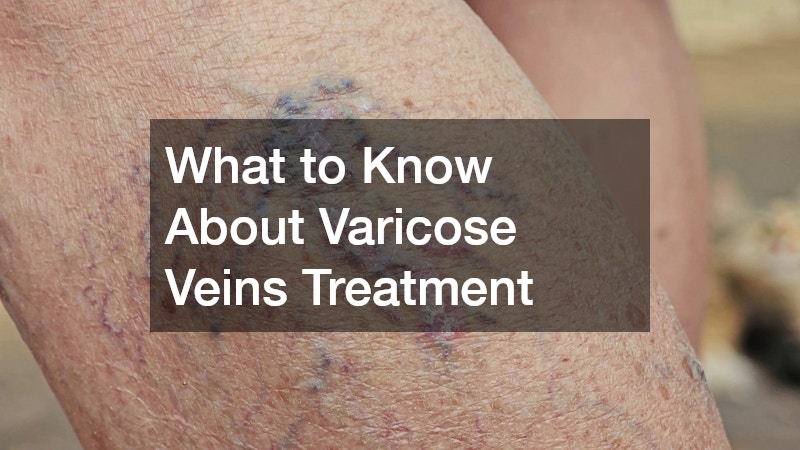
Varicose veins are enlarged, swollen, and twisting veins that often appear blue or dark purple. They typically occur in the legs and feet due to standing and walking upright, which increases pressure in the veins of your lower body. For many, they are simply a cosmetic concern, but for others, varicose veins can cause aching pain and discomfort. The condition arises when veins do not function properly; specifically, when the valves in the veins malfunction. It is crucial to understand what triggers the formation of varicose veins to effectively address this condition.
Several factors contribute to the development of varicose veins, including age, gender, family history, obesity, and lifestyle habits. Women are more likely to develop the condition due in part to hormonal changes that occur during pregnancy, pre-menstruation, or menopause. Additionally, hormonal treatments, such as birth control pills, may increase the risk. It’s essential to recognize these factors early to take preventive measures. Living a healthy lifestyle can help reduce the likelihood of developing varicose veins.
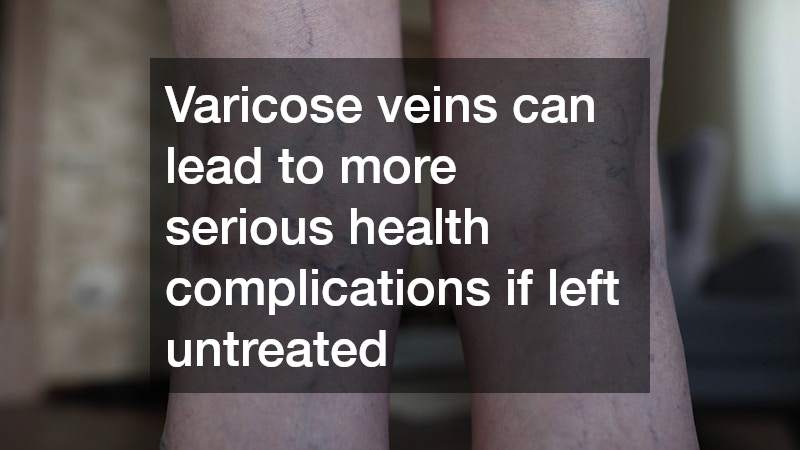
Varicose veins can lead to more serious health complications if left untreated. Possible complications include ulcers, blood clots, and bleeding. Ulcers can form when veins are severely swollen and remain untreated, causing skin breakdown. Blood clots are another serious concern as they can travel to other parts of the body, leading to life-threatening conditions such as pulmonary embolism. Understanding these risks underscores the importance of seeking treatment for varicose veins as soon as symptoms are noticed.
Non-invasive Treatment Options
Patients have several non-invasive treatment options to consider when dealing with varicose veins. Compression stockings are one of the most common and effective methods. These stockings help improve blood circulation by applying pressure to the legs, encouraging blood to flow upward towards the heart. Many find relief from pain and swelling after regularly wearing these specially designed stockings. It’s a user-friendly and cost-effective first step for managing varicose vein symptoms.
Another widely suggested non-invasive treatment option is lifestyle modification. Regular exercise helps improve circulation and maintains a healthy weight, reducing pressure on the veins. Elevating legs when sitting, avoiding prolonged periods of standing or sitting, and wearing proper footwear can also alleviate symptoms. Simple changes such as these can have a substantial impact on improving vein health and mitigating the development of new varicose veins. Patients are often advised to incorporate these habits into their daily routine to support any additional treatments they may choose.
Dietary changes can also play a crucial role in the management of varicose veins. A diet rich in fiber, antioxidants, and flavonoids helps improve vascular health. Consuming plenty of fruits, vegetables, and whole grains is encouraged to support vein function and reduce the risk of complications. Staying hydrated and limiting salt intake can prevent swelling, which can exacerbate varicose vein problems. In combination with other non-invasive methods, dietary adjustments can enhance overall treatment effectiveness.
Minimally Invasive Varicose Veins Treatment
When non-invasive methods are insufficient, minimally invasive procedures can be employed to treat varicose veins. Sclerotherapy is a popular option that involves injecting a solution directly into the veins, causing them to scar and collapse. This process reroutes the blood through healthier veins and gradually diminishes the appearance of the varicose vein. It is primarily used for smaller varicose veins and is done in a doctor’s office without the need for anesthesia. Sclerotherapy typically results in visible improvement within weeks.
Endovenous thermal ablation is another minimally invasive treatment method that uses laser or radiofrequency energy to seal off faulty veins. This procedure involves inserting a thin tube (catheter) into the vein through which heat is administered to collapse the vein walls. The blood naturally reroutes into nearby healthy veins, eventually causing the varicose veins to fade. This procedure is usually quick, relatively painless, and patients often return to normal activities within a few days. Recovery is generally smooth with minimal side effects, making it an attractive option for many.
Phlebectomy is an additional minimally invasive option that involves making small incisions in the skin to remove vein segments. This procedure is typically used for surface veins close to the skin and is performed under local anesthesia. Phlebectomy often results in immediate cosmetic improvements and relief from pain. Because these procedures are less invasive, the risk of complications is significantly reduced compared to traditional surgery. Patients are advised to discuss these options with their doctor to determine the best treatment approach for their individual needs.
Recovery and Post-Treatment Care
Post-treatment care is essential to ensure successful recovery and long-term results after varicose veins treatment. Patients may experience mild discomfort, bruising, and swelling, but these symptoms typically subside within a few weeks. Wearing compression stockings as recommended can promote healing and prevent new varicose veins from forming. It’s crucial to follow the healthcare provider’s aftercare guidelines and attend follow-up appointments to monitor progress. Proper post-treatment care significantly enhances the efficacy of the initial treatment and prevents recurrence.
Physical activity and maintaining a healthy lifestyle remain important aspects of recovery. Short walks, leg exercises, and avoiding excessive sitting or standing can aid in maintaining improved circulation. Consistency in these habits combined with dietary changes not only supports recovery but also provides lasting benefits in preventing varicose veins. Patients often find that these lifestyle adjustments become natural extensions of their routine, contributing to overall better health. A collaborative approach to varicose vein management yields the best results.
For many individuals, psychological recovery is just as significant as the physical healing process. Dealing with visible varicose veins can impact self-esteem and body image, so progressing toward clear veins can be uplifting. Patients are encouraged to discuss any concerns or anxiety with their healthcare provider, who can offer support and resources. Empowering oneself with knowledge, being proactive in post-treatment care, and engaging in supportive networks enhances holistic healing. Confidence in one’s appearance and relief from discomfort are important goals that treatment aims to achieve.